Sexual and reproductive health and rights
Children, adolescents and young people in all their diversity — especially girls and young women — are empowered to make informed choices about their sexual and reproductive health and rights, free from coercion, discrimination and harmful practices, including child marriage and unions.
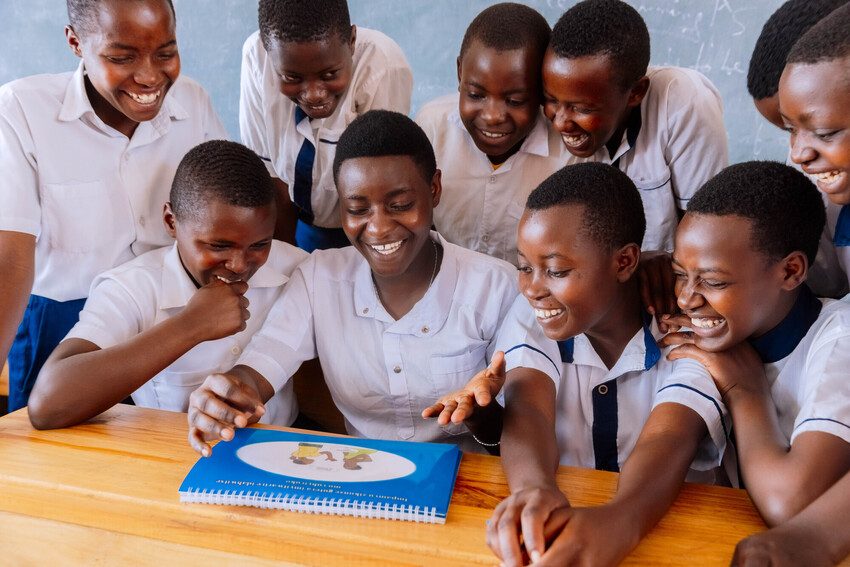
There has been significant progress in advancing sexual and reproductive health and rights for girls and women over the last 20 years, in maternal health, HIV prevention, treatment and care and contraceptive use. However, progress has been slow in other areas – death due to complications of pregnancy, childbirth and unsafe abortions, and levels of gender-based violence remain alarmingly high.
Humanitarian contexts further exacerbate these existing vulnerabilities, putting young people at further risk. During conflict, girls and women may be deliberately targeted and subjected to various forms of violence and abuse including arbitrary killings, torture and mutilation, sexual violence, forced marriage, forced prostitution, forced impregnation, forced termination of pregnancy and sterilisation. At the same time, structures, networks and systems that can protect girls and women are likely to be weakened or destroyed, disrupting essential health services.
We are prioritising sexual and reproductive health and rights in 13 of the 17 countries we work in across the region, making it our second thematic priority.
Categories: Sexual and reproductive health and rights