Girls in crisis
Putting children’s rights, especially those of marginalised girls, at the centre of disaster preparedness and response.
Today, one in four children lives in a country affected by conflict or disaster. As crises become more frequent, more intense and prolonged, children’s rights are increasingly under threat – and girls are among the hardest hit.
In humanitarian settings, girls face specific and heightened risks. They are often pushed out of school and exposed to sexual and gender-based violence, early and forced marriage, and harmful practices such as female genital mutilation (FGM). Violence against girls often increases during emergencies, raising the risk of unintended pregnancy, exploitation and abuse.
While awareness of gender-sensitive humanitarian action is growing, children – and especially girls – are still too often overlooked. That is why we focus on the needs of children in crises, putting marginalised girls at the centre of preparedness, response and recovery.
Child protection in emergencies
Emergencies often weaken or destroy systems that keep children safe. Adolescent girls are particularly vulnerable as they take on adult responsibilities and roles without the protection, skills and networks adults rely on. Too often they are excluded from protection responses that fail to address the specific risks they face.
These gaps have serious consequences. Girls are less likely to access life-saving information, such as where to seek help in the event of a disaster, or how climate change may impact their lives. As a result, they are exposed to new threats, including family separation, sexual exploitation, trafficking, and recruitment into armed groups. Furthermore, harmful practices such as child marriage can be exacerbated.
We work to ensure children with urgent protection needs are identified quickly and receive timely, age and gender- appropriate support. Our work places a strong focus on adolescent girls, preventing and responding to harmful common practices, which are often reinvigorated during emergencies.
Education in emergencies
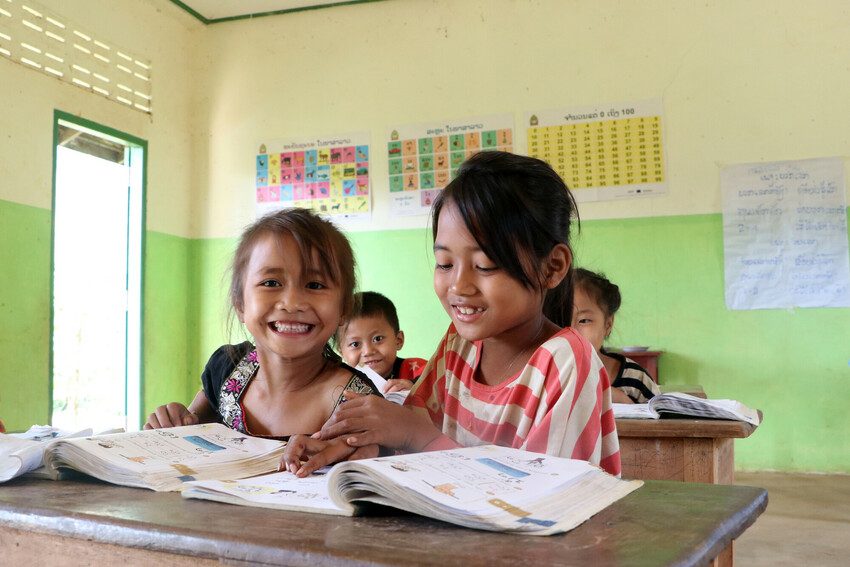
Education is a lifeline in crisis. Yet children in conflict-affected countries are more than twice as likely to be out of school as those living in stable settings, with girls facing the greatest barriers.
In emergencies, girls face unique barriers to a quality education because they are young and female. Girls who are out of school face a heightened risk of trafficking, early and forced marriage, early pregnancy, and gender-based violence. In conflict settings, girls and women are also often deliberately targeted by armed groups as victims of sexual violence or attacks aimed at stopping their education altogether.
As a result, girls living in conflict-affected countries are almost two and a half times more likely to be out of school. Refugee girls are a particular vulnerable group: at least one in five displaced females in complex humanitarian settings have experienced sexual violence – a figure widely understood to be underestimated – taking the risk of social stigmatisation and danger of reporting such experiences into account.
We work to ensure girls’ specific needs are recognised and addressed in emergencies. This means providing quality formal and non-formal education opportunities, alongside psychosocial support to help girls affected by humanitarian crises to recover, rebuild confidence and continue learning. Our work places a particular focus on adolescent girls, who are among the most affected by crisis.
Our calls to the EU
- EU humanitarian action must reflect the distinct needs of girls across all age groups (0-5, 6-12 and 13-17), with a special focus on education and child participation in emergencies.
- All humanitarian interventions must take a rights-based approach to gender equality, focusing on the poorest and most marginalised girls and women, including refugee girls.
- The EU should ensure clarity of roles and mandates in crisis response, maintaining a clear distinction between political, military and humanitarian actors.
- The EU should engage in regular dialogue with NGOs and other actors to fully understand realities on the ground and improve response.
- EU external communication should actively promote an understanding of humanitarian principles.
- The EU budget must maintain a stable base humanitarian budget to ensure timely and reliable support with flexible and predictable funding.