The annual report explores the momentum and impact of Plan International Benin’s initiatives in 2025, which are characterised by a comprehensive approach aimed at removing the health, educational, economic, and social barriers that hinder girls’ and children’s development.
It also highlights concrete initiatives in health, education, economic empowerment, and humanitarian action, illustrating a strategy based on collaboration and synergy to build resilient and inclusive communities.
The full annual report is available in French, or click on the drop down below to read the highlights in English.
Together, let’s keep the chain of hope alive.
Annual report highlights in English
Overall impact
In 2025, Plan International Benin supported 131,250 people and invested 8.57 billion CFA invested in education, skills, jobs, health, gender protection, and humanitarian work to protect and empower children, young people, and communities.
Education: Helping children learn
- We supported children who had left school to return, and 359 of them completed community learning programmes with 87.5% passing their exams.
- Students used over 110,000 school and hygiene kits to stay in and engaged in class.
- We worked with young people, strengthening 62 school governments so students can help make decisions about their education.
- With the provision of new desks and tables, students reorganised their classrooms to create better learning spaces.
Youth skills and jobs
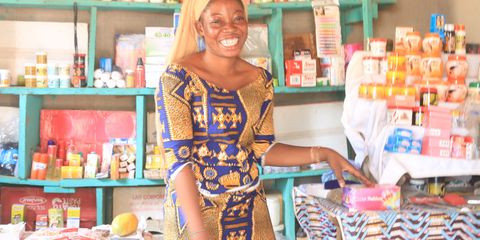
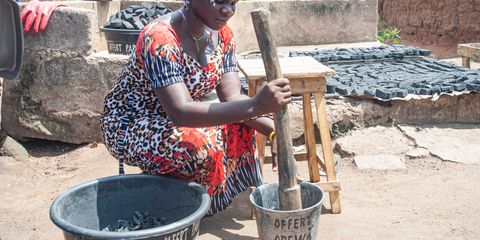
- More than 69,000 young women built their confidence and skills through training, then used start‑up kits to open their own small businesses.
- 613 young graduates, most of them young women, took charge of their futures by joining practical training and launching work activities — 90% are already active in their trade.
- Young women set-up and ran powerful savings groups, with 6,600+ young women earning and saving money.
- We backed young entrepreneurs as they expanded their networks, selling their products at fairs and mini‑markets.
Youth leadership
- Young leaders represented their communities at national and regional events, raising their voices on issues that matter to them.
- 200 girls led peace‑building activities and encouraged others to form 143 new youth clubs promoting peace and social cohesion.
- Youth groups used small grants to fight gender‑based violence and improve their communities.
Health and sexual reproductive rights
- Nearly 90,000 young people learned how to protect their health, understand their bodies, stay safe and make informed choices.
- Teen pregnancies dropped in several areas with access to to better information and services.
- 10,218 parents and community leaders joined discussions and learned how to talk openly about sexuality and protect young people.
- We trained health workers how to give better care to teenagers and young adults.
Child protection and combatting gender-based violence
- We set up or supported 90 child protection committees to respond quickly to risks.
- Thanks to the courage of young people brave enough to report incidents, these groups helped stop 17 child marriages and supported girls returning to school or training.
- 437 young people joined “Champions of Change,” leading discussions on equality, safety, confidence, and decision‑making, learning how to protect themselves and support their peers.
- School pregnancies fell from 23 cases to 11 in one year.
HIV/AIDS prevention
- We trained 1,790 people—including health workers and community leaders—on equality and human rights.
- 170 new HIV‑positive people were identified and linked to treatment.
- We supported 3,615 people returning to HIV care.
- Health centre equipment and waste systems were improved to make care safer.
Humanitarian support
- We supported about 23,000 people affected by floods, insecurity, and displacement.
- Families received cash assistance, food, hygiene supplies, school materials, and farming tools.
- We helped children continue learning even after disasters.
Finances
- Total spending: 13.06 million EUR (8.57 billion CFA).
- Most funds went to:
- Health & sexual rights (59%)
- Youth jobs and skills (22%)
- Education (8%)
- Our main donors included the Global Fund, the World Bank, Canada, Sweden, and France.
Plans for 2026
- We will shift to a local partnership model, sharing 70% of funds with local organisations.
- We will reduce our partner list to 11 stronger, better‑trained organisations to increase impact.
Download the annual report in French
Annuals reports
2.15 mb
Related pages