Smart schools bridge digital gender divide in Latin America
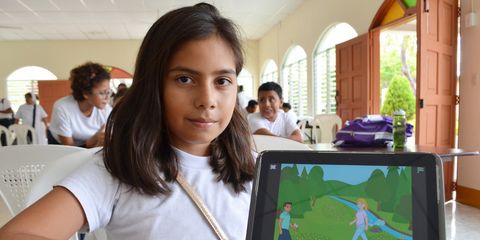
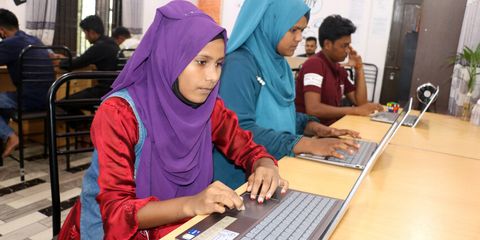
Girls are challenging the stereotype that technology is ‘for boys’ by learning digital skills in ‘classrooms of the future.’
As digital technology reshapes every part of life, millions of girls are being locked out – denied skills, safety and opportunities simply because they are girls. Plan International was built for this moment, standing with girls to demand equal access, safety and power online.
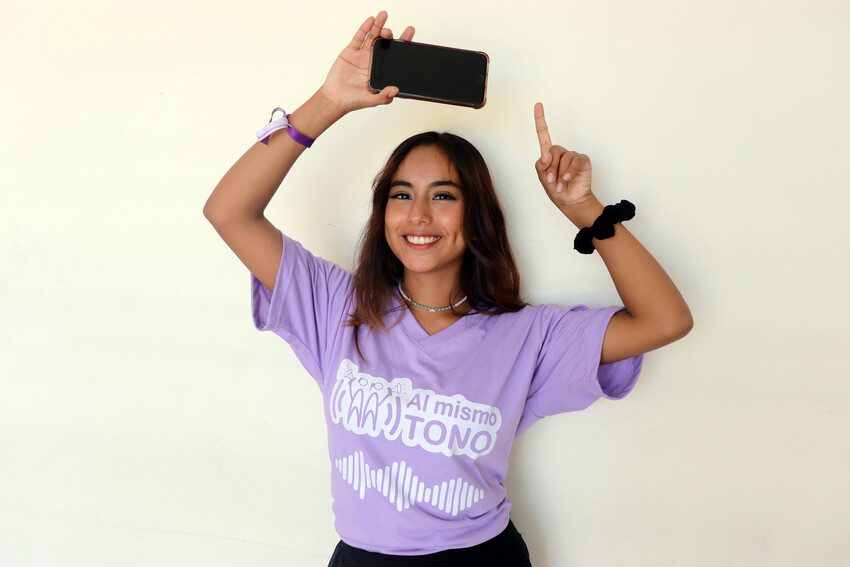
Technology should open doors for girls. Instead, too many are being shut out.
The world is becoming more digital every day – from education and jobs to health care and activism. But millions of girls are being left behind. They are less likely than boys to have access to the internet, own a mobile phone or learn digital skills. This is not because girls lack talent or ambition. It is because the world is failing them.
Girls face real barriers right now. In many places, families cannot afford devices or data. Harmful stereotypes still say technology is “not for girls”. Online spaces can feel unsafe, with harassment and abuse silencing girls’ voices. The result is a digital gender divide that limits girls’ choices and threatens their futures.
The gap is widest where girls already face the greatest inequalities. In the world’s least developed countries, girls and women are far less likely to be online than men. In parts of Africa, internet access remains deeply unequal. In South Asia, women are much less likely than men to own a mobile phone. Every delay in closing this gap costs girls opportunities — to learn, to earn and to lead.
We won’t accept that. Girls are speaking up and demanding change. And Plan International is standing with them.
When girls are locked out of the digital world, the impact is felt everywhere.
Without access to technology and the internet, girls miss out on education, information and future jobs. They have fewer ways to speak out, organise and campaign on issues that matter to them. Their voices are pushed aside in a world that increasingly listens online.
There is also a wider cost. When girls and women are excluded from creating digital tools, apps and content, technology reflects existing inequalities instead of challenging them. Economies lose out too. Connecting more women and girls to the internet could unlock billions in global growth – but more importantly, it could unlock millions of lives.
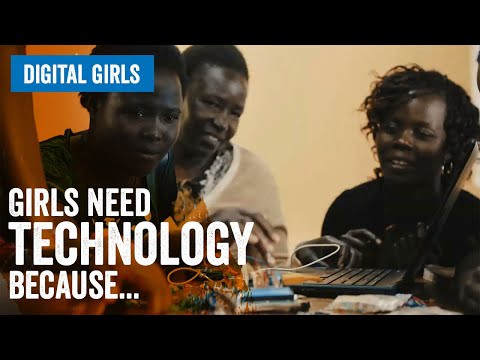
Digital skills are no longer optional. They are essential.
Today, most jobs already involve digital tools, and this number is growing fast. Girls who are denied digital skills are being shut out of the future workforce before they even get started. But when girls learn how to use technology – and how to create it – everything changes.
Technology can also be a powerful platform for girls to lead change. Through social media and digital tools, girls are organising movements, sharing their stories and holding leaders to account. Online, their voices can travel further than ever before.
Girls are not waiting to be rescued. They are ready to lead.
Girls are taking opportunities to become digital creators and learn skills that will allow them to flourish.
We support every part of a girl’s digital world – not just access, but skills, safety and power.
School is often the first place a child encounters technology. That’s why we work to make sure girls have equal access to digital learning from the start. We support girls to build confidence with technology, learn practical digital skills and challenge the idea that tech is “for boys”.
But access alone is not enough. Girls must be safe online. Through our global, youth‑led campaigns, girls demand their right to speak out without fear, harassment or abuse. We work with communities, schools and governments to make online spaces safer and to change the attitudes that hold girls back.
We also support girls beyond the classroom. From digital training programmes to innovative tools like health apps that give teenagers trusted information, we use technology to support girls’ health, rights and choices – on their terms.
A new smartphone app is helping combat teenage pregnancy in Timor-Leste by providing teenagers access to sexual and reproductive health services and information.