How education is helping Gaza’s children heal
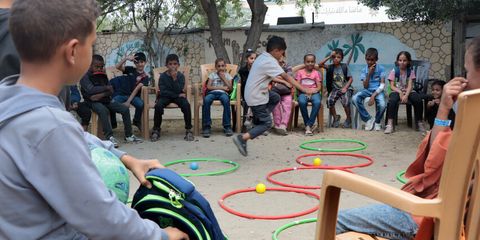
In central Gaza, inside a former café transformed into a learning space, 200 children are rediscovering the joy of learning.
When crisis strikes, learning is often one of the first things lost. For millions of girls and children, war, disaster and displacement don’t just interrupt education, they can put an end to it altogether. Plan International stands with girls in emergencies so they can continue learning, rebuild their lives and shape their futures.
Education in emergencies means making sure children can continue learning during conflict, disaster and displacement. It includes safe places to learn, trained teachers, learning materials and psychosocial support to help girls and other marginalised children return to school and thrive even in the most difficult circumstances.
The world is failing girls in crisis. We won’t.
Today, the global education crisis is at unprecedented levels and girls are paying the highest price. Conflict, climate-driven disaster and displacement are pushing millions of girls out of school and putting their safety, futures and opportunities at risk.
An estimated 234 million crisis‑affected children need education support and 85 million are completely out of school. Girls, displaced children and children with disabilities are hit hardest.
When education stops, the risks for girls rise sharply. They are more likely to be:
Education gives girls the power to shape their future. It is protection, opportunity and empowerment.
And the stakes are rising. Conflict, climate‑driven disasters and displacement are becoming longer, more frequent and more severe. Without urgent action, an entire generation of girls and children risk losing not just schooling, but their chance to lead healthy, independent lives.
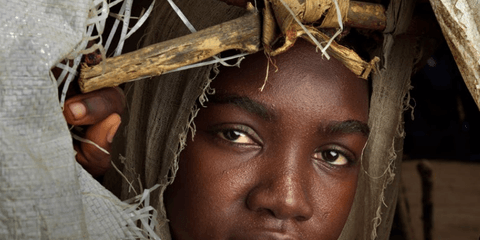
After leaving her home and spending a year out of school due to conflict, Zaida has returned to education to follow her ambition of becoming a nurse.
Education in emergencies reaches girls and children where they are and when they need it most.
When schools are destroyed or unsafe, we help set up temporary classrooms and learning spaces where girls and children feel protected, welcome and able to learn again.
We provide school supplies, learning materials, psychosocial support and other essential services so families don’t have to choose between survival and education. When girls have what they need, they are more likely to return to school and stay there.
Conflict and displacement disrupt routines. We offer flexible learning opportunities including catch‑up classes and alternative education pathways so girls and children who have missed months or years of school can continue learning at their own pace.
Learning doesn’t happen in isolation. We work with teachers, parents and communities to create safe environments where girls and children are encouraged, protected and given the support they need to learn and thrive.
Girls know what’s stopping them from learning. Their voices shape how education works in crisis, from class schedules to safety measures and learning topics.
Our education programmes are designed with girls, not just for them.
Education is one of the most powerful tools girls and children have especially during crisis. When girls keep learning, the impact ripples outward.
In 2025, Plan International:
Each return to school is a powerful step against child marriage, child labour, recruitment by armed groups, violence, exploitation and poverty.
Hunger is one of the biggest barriers to education. Last year, over 375,000 children received school meals through our programmes, helping girls concentrate in class and reducing the risk they’d be pulled out of school to survive.
Learning gives girls and children stability, routine and confidence especially after trauma and displacement. Safe learning spaces provide more than education; they help girls and children regain a sense of safety, belonging and hope.
Girls who stay in school during emergencies often become advocates:
When girls learn, they don’t just recover, they lead recovery.
Despite having fled violence, Salimata is still able to attend school after her family received a cash transfer.
Education in emergencies is life-saving and future-shaping. It protects girls and children from harm, reduces the risk of child marriage, and helps them build the skills they need for work, independence and recovery. It also strengthens families and communities for generations to come.
The return on education goes far beyond the classroom. Every year of learning can improve future income, health, safety and opportunity, creating lasting benefits for girls, their families and society as a whole.
When girls learn, communities rise. And when we protect education in crisis, we protect the future for everyone.
Our work is grounded in internationally recognised standards and driven by collaboration with key global partners.
We follow the INEE Minimum Standards for Education and the Core Humanitarian Standard on Quality and Accountability, ensuring our programmes are effective, inclusive and accountable. We also apply a crisis-and conflict-sensitive approach to all our work.
We are active members of leading inter-agency networks, including:
Through these platforms, we help shape global policy, develop technical guidance and coordinate effective responses that protect children’s right to education no matter the crisis.