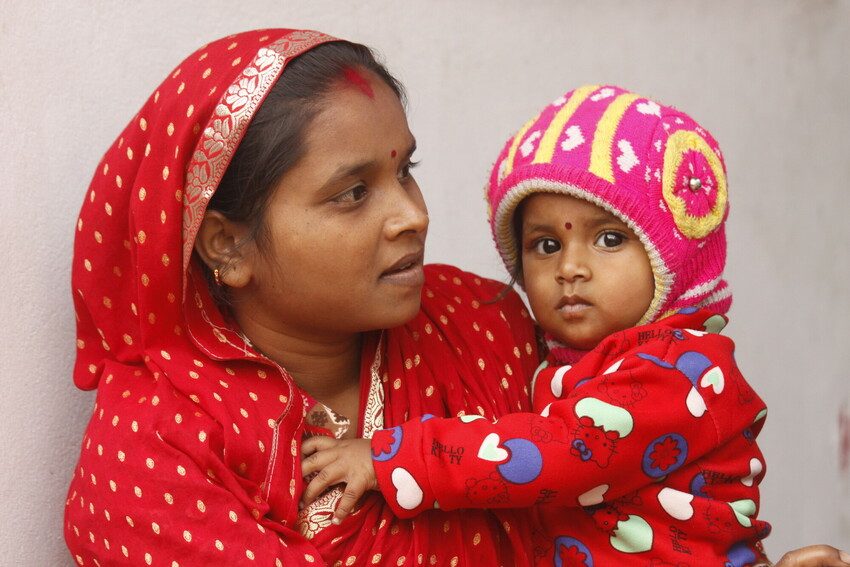
Young children need nutritious food, medical care, clean water, sanitation and hygiene facilities to grow up healthy, learn and reach their full potential.
The world is failing girls and their children. We won’t. Preventable hunger and illness are still cutting lives short — especially for girls, young mothers and their babies — at a time when the solutions are clear and urgent.
In 2025, acute malnutrition affected an estimated 42.8 million children under 5 while stunting affected 150.2 million
What factors lead to malnutrition in young children?
Frequent illnesses such as malaria, pneumonia and diarrhoea make it harder for children to absorb nutrients
Not getting enough of the right kinds of nutritious food
Poor maternal health and nutrition
Families not being able to afford or access a variety of nutritious foods
Living in difficult conditions, such as rural and remote areas or places affected by conflict, disasters or climate change
What is Plan International’s approach to improving maternal and child health?
Supporting the health and nutrition of mothers and young children is a key priority for Plan International.
As part of our work in Health, Nutrition and WASH (Water, Sanitation and Hygiene), we focus on:
Supporting families to improve the health of their children, prevent disease and care for common illnesses at home
Promoting good feeding practices such as exclusive breastfeeding during children’s first 6 months, introducing nutritious foods from 6 months and continuing breastfeeding up to 2 years
Expanding access to quality essential services, which prevent and manage malnutrition and common childhood illnesses, provide basic emergency care for mothers and newborns
Strengthening local clinics, health centres and workers
Training and supporting community health workers
Working with governments and health leaders to increase the preparedness of health services to respond to crises including disasters and emergencies
Health and gender equality strengthened in 5 countries
Across Bangladesh, Ghana, Haiti, Nigeria and Senegal, girls and young women are claiming their right to safe health care — protecting their bodies, surviving pregnancy and giving their children a healthier start in life.
How does Plan’s work towards improving maternal and child health promote gender equality?
We support adolescent girls and women to increase their knowledge, skills and confidence to adopt good health practices. We also support them to use, demand and have a say in how services are run.
We encourage men to actively support the health and wellbeing of their children and female partners.
We train health workers and improve regulations and infrastructure so health services meet the specific needs of girls and young women in a way that respects their dignity, rights and decision-making.
Related pages
Mothers learn positive parenting skills together
Kunta says joining the parenting group was one of the best decisions she has made.
Plan International is committed to the ongoing promotion of breastfeeding in our early childhood development, parenting and maternal and child health program…
Why men’s engagement in nurturing care for early childhood development matters
Working with fathers and male caregivers to promote men’s engagement in childcare and the household is a vital part of Plan International's gender-transforma…
We use functional cookies to make this site work. We’d also like to set optional cookies to measure site usage, personalise content and tailor advertising to your interests. To choose which cookies to enable, click on Settings. For information about the cookies we use, see our Privacy Policy and Cookie Notice.