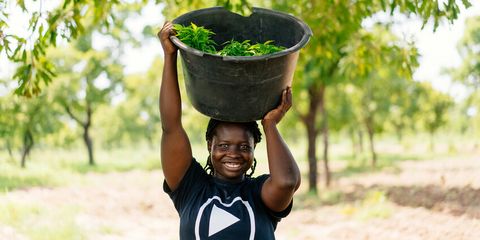
Young women farming their way to a more sustainable future
A new generation of entrepreneurial female farmers is using green skills to shake up farming, producing food and creating sustainable livelihoods for their c…
Across the globe, millions of girls and young women are locked out of financial systems that could protect their futures. Without urgent action, poverty will continue to pass from one generation to the next. But girls aren’t waiting. They are organising, saving and leading change — and Plan International is supporting them.
Over 1.4 billion people worldwide do not have a bank account, either locally or digitally.
The majority live in developing countries and left out because they have little money, there are no banks nearby, they are unable to complete the paperwork or because they aren’t aware of the available services.
People who don’t have access to financial services are much less likely to save money and are therefore less likely to have the resources to keep their children healthy, safe and in school.
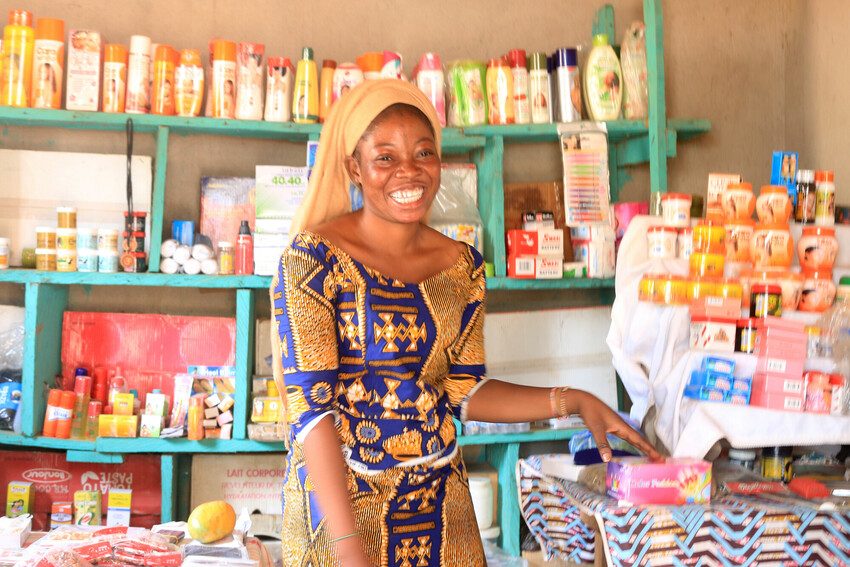
Savings groups support people who don’t have access to financial services to save money and learn financial skills.
They are a form of microfinance involving small groups of 15 to 25 members that allow members to learn about saving and borrowing in transparent and democratic ways. This encourages responsible use of savings, borrowing and social insurance services offered by the group.
Savings groups are the first step to financial inclusion as they provide routes to saving money while building financial knowledge and skills.
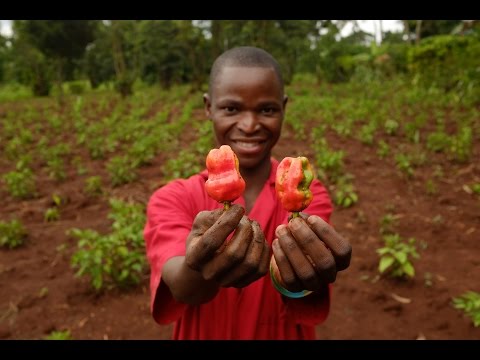
Youth savings groups allow young people to learn about finances. As part of the process, young people learn to set savings goals, distinguish between good and bad options for borrowing and discover how to link with formal banks and microfinance institutions if they want to. Unemployment is tackled by allowing young people to invest in their education and health, as well as income-generating activities that may lead to self-employment.
Through savings groups, girls and young women take control of their money, invest in their futures and strengthen their communities. When girls lead financially, families grow stronger and entire communities become more resilient.

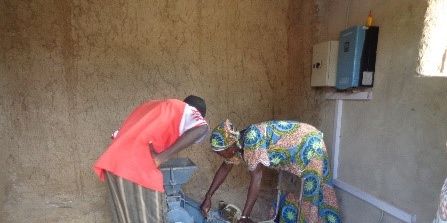
Life in rural areas is often harder. There are fewer roads, schools and health services, and banks are often far away or don’t exist at all. This makes it difficult for people to save money, earn a living or plan for the future. Young women are especially affected.
That’s why Plan International supports savings groups. These groups give people a safe way to save small amounts of money, borrow when they need to and build confidence in managing their finances.
Many savings groups now use mobile phones to manage money. This means people don’t have to carry cash, their money is more secure and records are kept automatically, making saving and borrowing simpler and safer.
Since 2004, Plan International has supported around 1.5 million people to take part in 76,000 savings groups, through more than 500 projects in 28 countries.